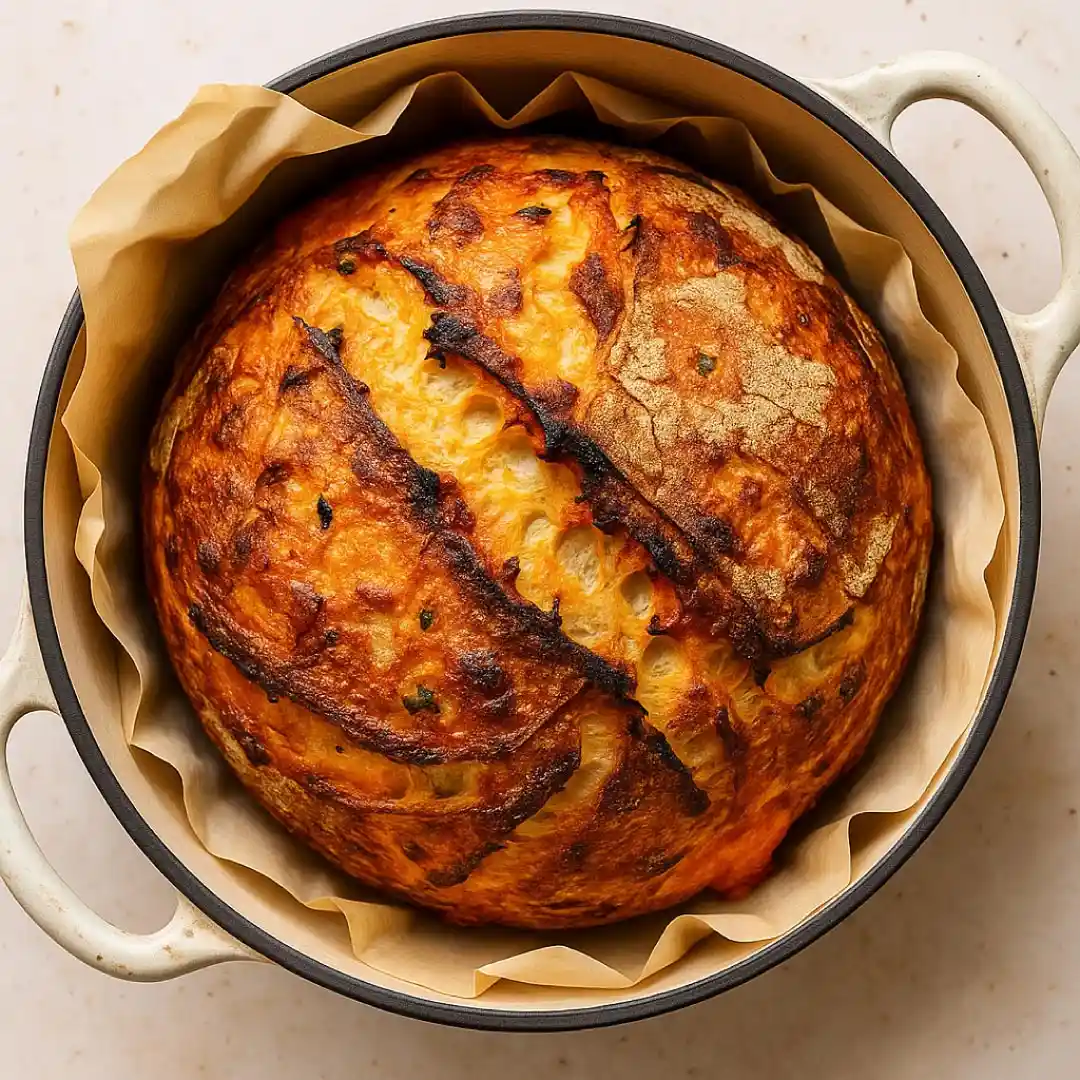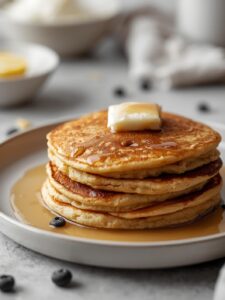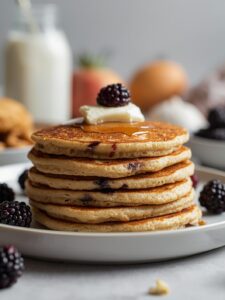

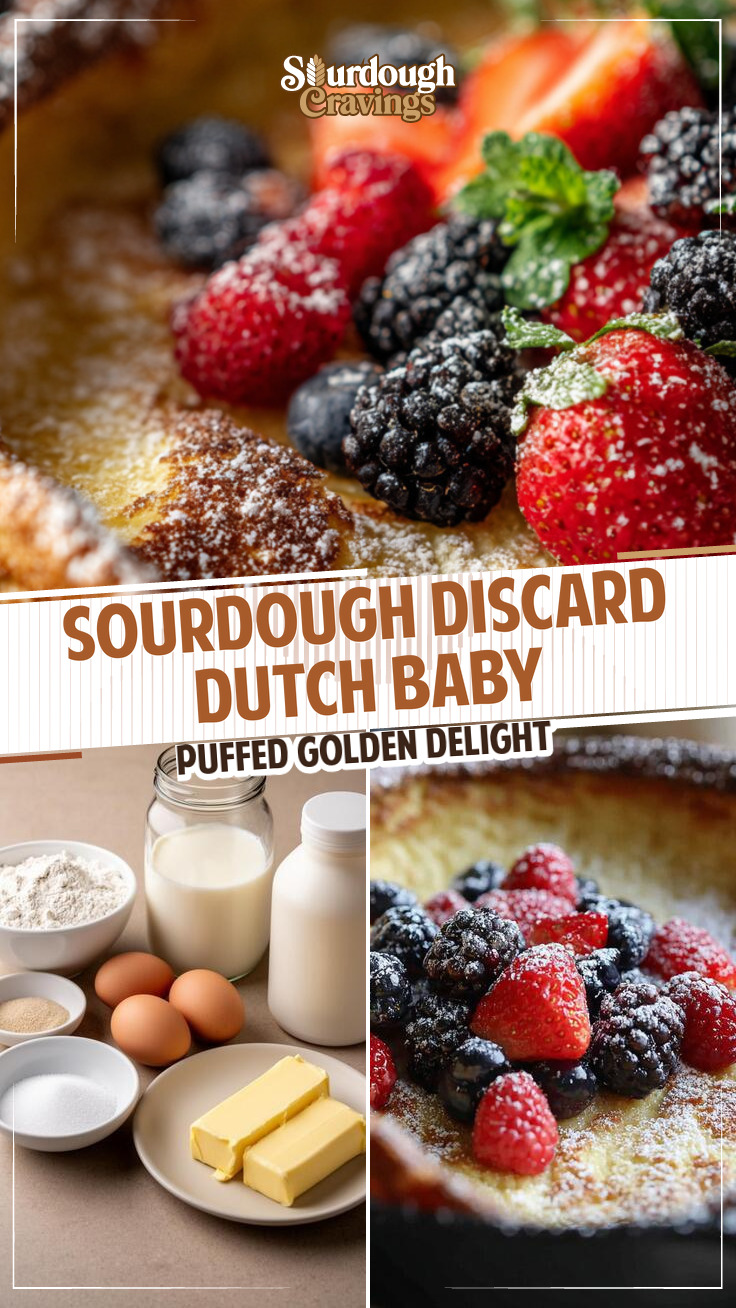
This Sourdough Dutch Baby Pancake recipe is a delightful way to transform your sourdough discard into a fluffy, impressive breakfast.
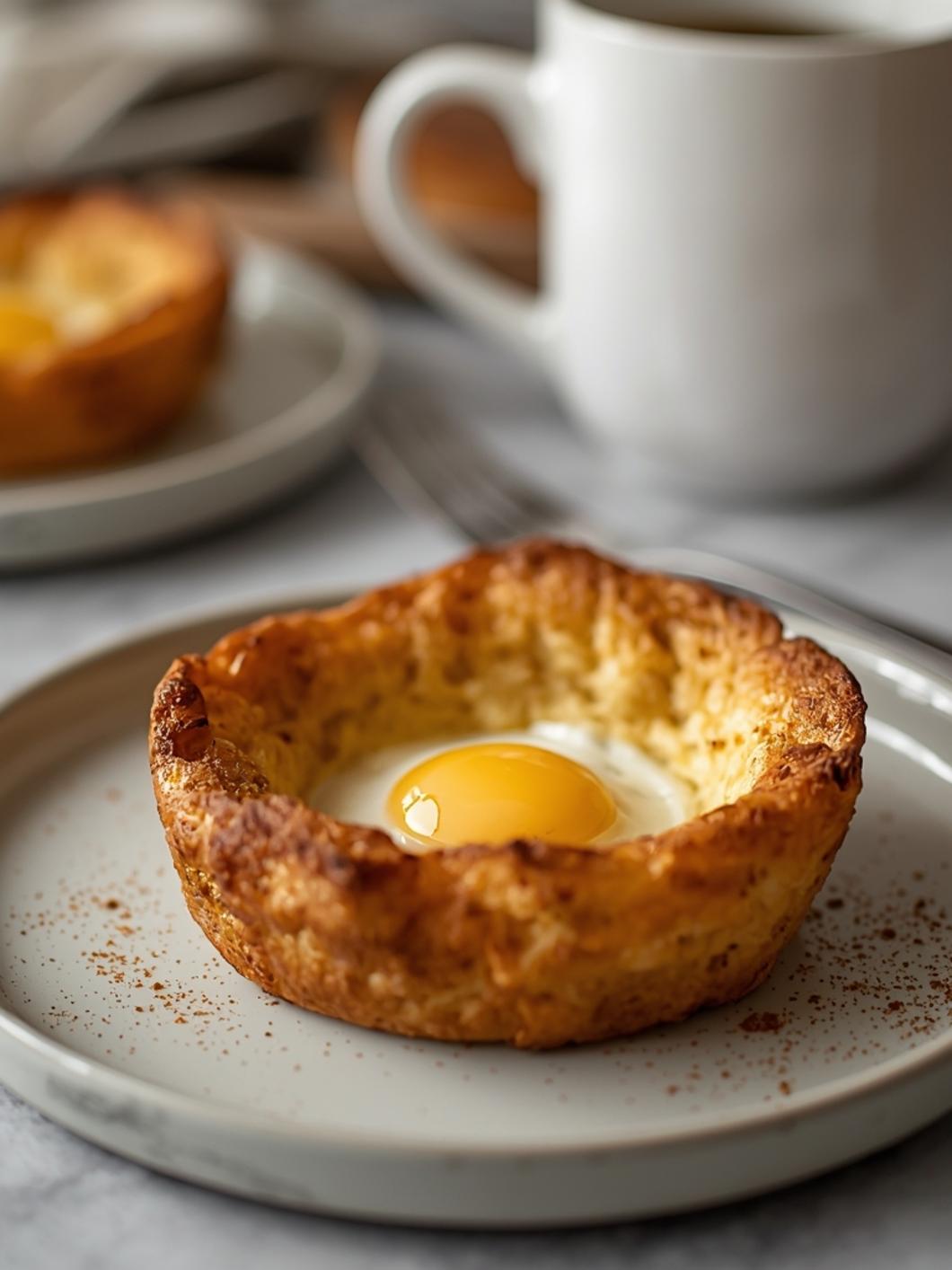
Inspired by Farmhouse On Boone, this simple yet elegant dish is perfect for cozy family mornings or a charming brunch gathering with friends. It’s an accessible recipe that brings a touch of magic to your breakfast table without requiring complex techniques or a lot of time.
Get ready to impress with minimal effort. This Dutch baby puffs up beautifully in the oven, creating a dramatic presentation that’s as fun to watch as it is to eat. It’s a fantastic way to utilize that active sourdough discard, adding a subtle tang and incredible tenderness to a classic breakfast treat.
Table of Contents
- What You’ll Love About This Quick And Easy Recipe
- Everything You Need To Make This Recipe Without Stress
- Time Needed From Start To Finish
- How To Make It Step By Step With Visual Cues
- Easy Variations And Serving Ideas That Fit Real Life
- Common Slip-Ups And How To Avoid Them
- How To Store It And Make It Ahead Without Ruining Texture
Sourdough Dutch Baby Pancake
Ingredients
Method
- Preheat Your Oven and Pan: Place a 10-inch cast iron skillet (or an oven-safe heavy-bottomed pan) into your oven. Preheat the oven to 425 F (220 C) with the skillet inside. Allowing the skillet to get very hot is crucial for the pancake to puff up dramatically.
- Prepare the Batter: While the oven and skillet are heating, combine the sourdough discard, all-purpose flour, whole milk, large eggs, granulated sugar, vanilla extract, and salt in a medium bowl. Whisk everything together until the batter is smooth and there are no lumps of flour remaining. A few small bubbles are fine. Avoid overmixing, as this can make the pancake tough.
- Melt the Butter in the Hot Pan: Once the oven is preheated and the skillet is smoking slightly (a good sign it’s hot enough), carefully remove the hot skillet from the oven using oven mitts. Add the 2 tablespoons of unsalted butter to the hot pan. The butter will melt almost instantly and sizzle. Swirl the pan to coat the bottom and sides evenly with the melted butter.
- Pour and Bake: Immediately pour the prepared batter into the hot, buttered skillet. Place the skillet back into the preheated oven.
- Watch It Puff: Bake for 20-25 minutes. Do NOT open the oven door during the first 15-20 minutes, as this can cause the pancake to deflate. You’ll know it’s done when the edges are deeply golden brown and have puffed up dramatically, climbing high up the sides of the skillet. The center should be set, though it might be slightly less puffed than the edges.
- Serve Immediately: Carefully remove the skillet from the oven. The Dutch baby will begin to deflate almost immediately as it cools, which is completely normal. Transfer it to a serving platter or serve directly from the skillet.
Nutrition
Notes
– Store leftovers covered in the fridge for 3-4 days.
– Freeze for up to 2 months.
– Reheat gently for best texture.
Loved this recipe?
Leave a rating & comment. how it was!What You’ll Love About This Quick And Easy Recipe
This Sourdough Dutch Baby Pancake is a true breakfast hero for so many reasons. First, it’s incredibly forgiving and perfect for home cooks of all skill levels, even if you’re new to working with sourdough discard. It’s designed to be a low-stress recipe that delivers high-impact results. You’ll love how quickly it comes together, making it an ideal choice for busy weekend mornings when you want something special without the fuss. It’s also a fantastic way to use up that sourdough discard that might otherwise go to waste, giving it a delicious new purpose.
This recipe is especially well-suited for families because it’s a fun, interactive dish. Kids love watching it puff up in the oven and then choosing their favorite toppings. It’s also a wonderful option for brunch gatherings, as it feeds a crowd and looks absolutely stunning when brought to the table. The subtle tang from the sourdough discard adds a unique depth of flavor that elevates it beyond a standard pancake, making it feel gourmet without any extra effort. It’s a versatile dish that can be sweet or savory, adapting to whatever cravings you or your guests might have.
Everything You Need To Make This Recipe Without Stress
Gathering your ingredients for this Sourdough Dutch Baby is straightforward, using common pantry staples you likely already have on hand. The star ingredient, of course, is your sourdough discard, which adds a wonderful flavor and texture.
INGREDIENTS:
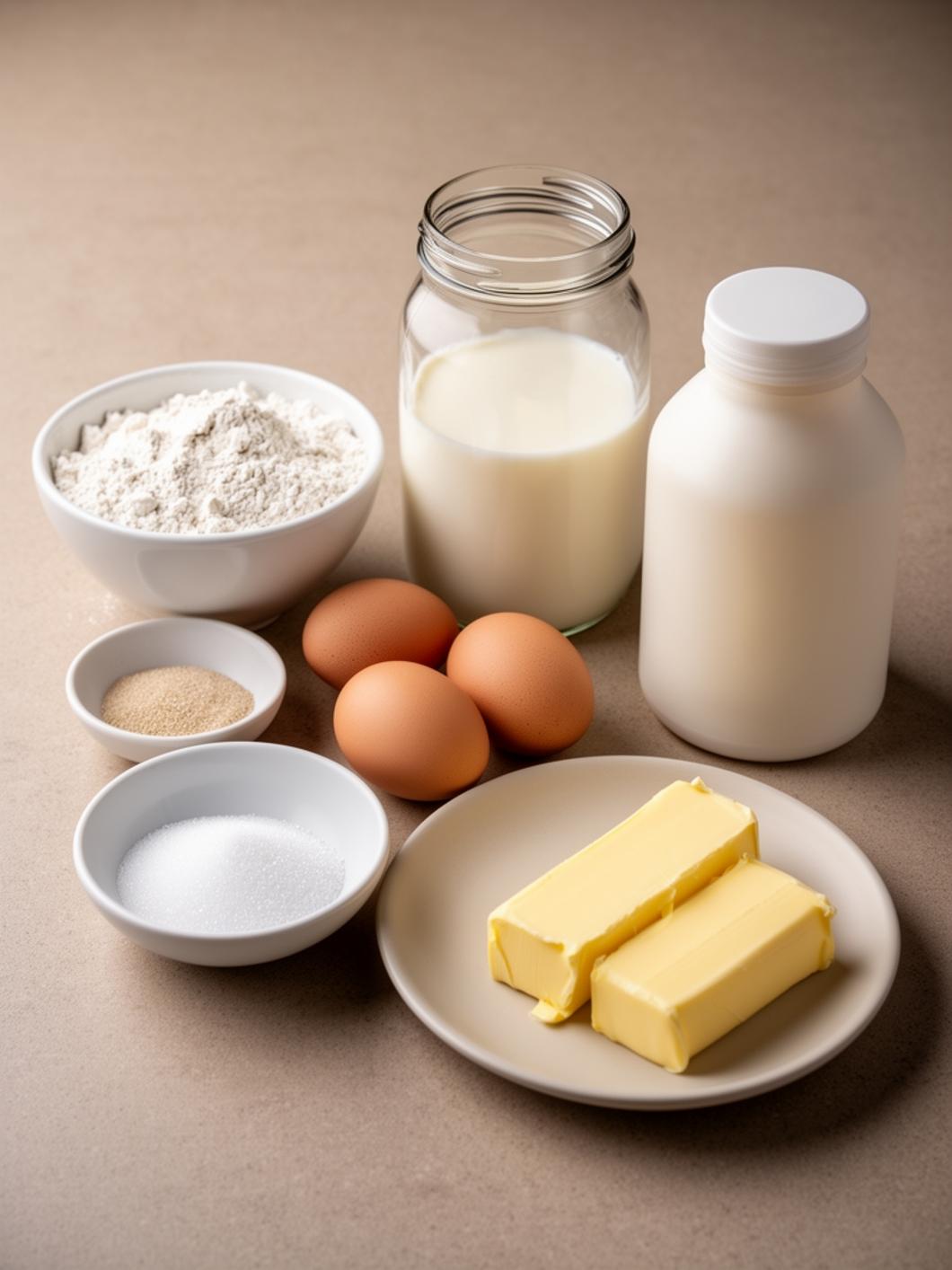
- 1/2 cup sourdough discard (fed or unfed, but active is best)
- 1/2 cup all-purpose flour
- 1/2 cup whole milk
- 2 large eggs
- 1 tablespoon granulated sugar
- 1/2 teaspoon vanilla extract
- 1/4 teaspoon salt
- 2 tablespoons unsalted butter
For simple substitutions, if you don’t have whole milk, 2% milk will work just fine, though the whole milk contributes to a richer texture. You can also use a gluten-free all-purpose flour blend if you need a gluten-free option, ensuring it’s a blend designed for baking. For the sugar, you can adjust the amount to your preference or omit it entirely if you plan on serving with very sweet toppings. If you only have salted butter, you can use it, but reduce the added salt in the recipe to just a pinch to avoid over-salting. Make sure your eggs are at room temperature, as this helps them incorporate better into the batter and contributes to a lighter, fluffier pancake.
Time Needed From Start To Finish
This Sourdough Dutch Baby Pancake is wonderfully efficient, making it a perfect choice for a special breakfast that doesn’t eat up your entire morning.
- Prep time: 5 minutes
- Cook time: 20-25 minutes
- Total time: 25-30 minutes
The beauty of this recipe is how hands-off the cooking process is. Once the batter is mixed and poured into the hot pan, the oven does all the work, leaving you free to prepare toppings or enjoy a cup of coffee.
How To Make It Step By Step With Visual Cues
Creating this impressive Sourdough Dutch Baby is surprisingly simple. Follow these steps for a perfect, puffed-up pancake every time.
- Preheat Your Oven and Pan: Place a 10-inch cast iron skillet (or an oven-safe heavy-bottomed pan) into your oven. Preheat the oven to 425°F (220°C) with the skillet inside. Allowing the skillet to get very hot is crucial for the pancake to puff up dramatically.
- Prepare the Batter: While the oven and skillet are heating, combine the sourdough discard, all-purpose flour, whole milk, large eggs, granulated sugar, vanilla extract, and salt in a medium bowl. Whisk everything together until the batter is smooth and there are no lumps of flour remaining. A few small bubbles are fine. Avoid overmixing, as this can make the pancake tough.
- Melt the Butter in the Hot Pan: Once the oven is preheated and the skillet is smoking slightly (a good sign it’s hot enough), carefully remove the hot skillet from the oven using oven mitts. Add the 2 tablespoons of unsalted butter to the hot pan. The butter will melt almost instantly and sizzle. Swirl the pan to coat the bottom and sides evenly with the melted butter.
- Pour and Bake: Immediately pour the prepared batter into the hot, buttered skillet. Place the skillet back into the preheated oven.
- Watch It Puff: Bake for 20-25 minutes. Do NOT open the oven door during the first 15-20 minutes, as this can cause the pancake to deflate. You’ll know it’s done when the edges are deeply golden brown and have puffed up dramatically, climbing high up the sides of the skillet. The center should be set, though it might be slightly less puffed than the edges.
- Serve Immediately: Carefully remove the skillet from the oven. The Dutch baby will begin to deflate almost immediately as it cools, which is completely normal. Transfer it to a serving platter or serve directly from the skillet.
Easy Variations And Serving Ideas That Fit Real Life
This Sourdough Dutch Baby Pancake is a fantastic canvas for a wide array of toppings and variations, making it adaptable for any meal or preference.
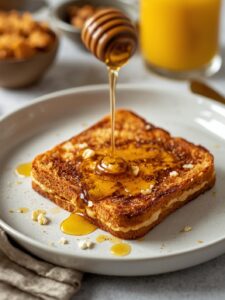
For a classic sweet approach, dust generously with powdered sugar right out of the oven. A squeeze of fresh lemon juice brightens the flavor beautifully. You can also add fresh berries (strawberries, blueberries, raspberries), sliced bananas, a drizzle of maple syrup or honey, or even a dollop of whipped cream. For a more decadent treat, a spoonful of Nutella or a sprinkle of chocolate chips can be added right after it comes out of the oven.
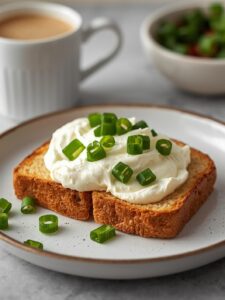
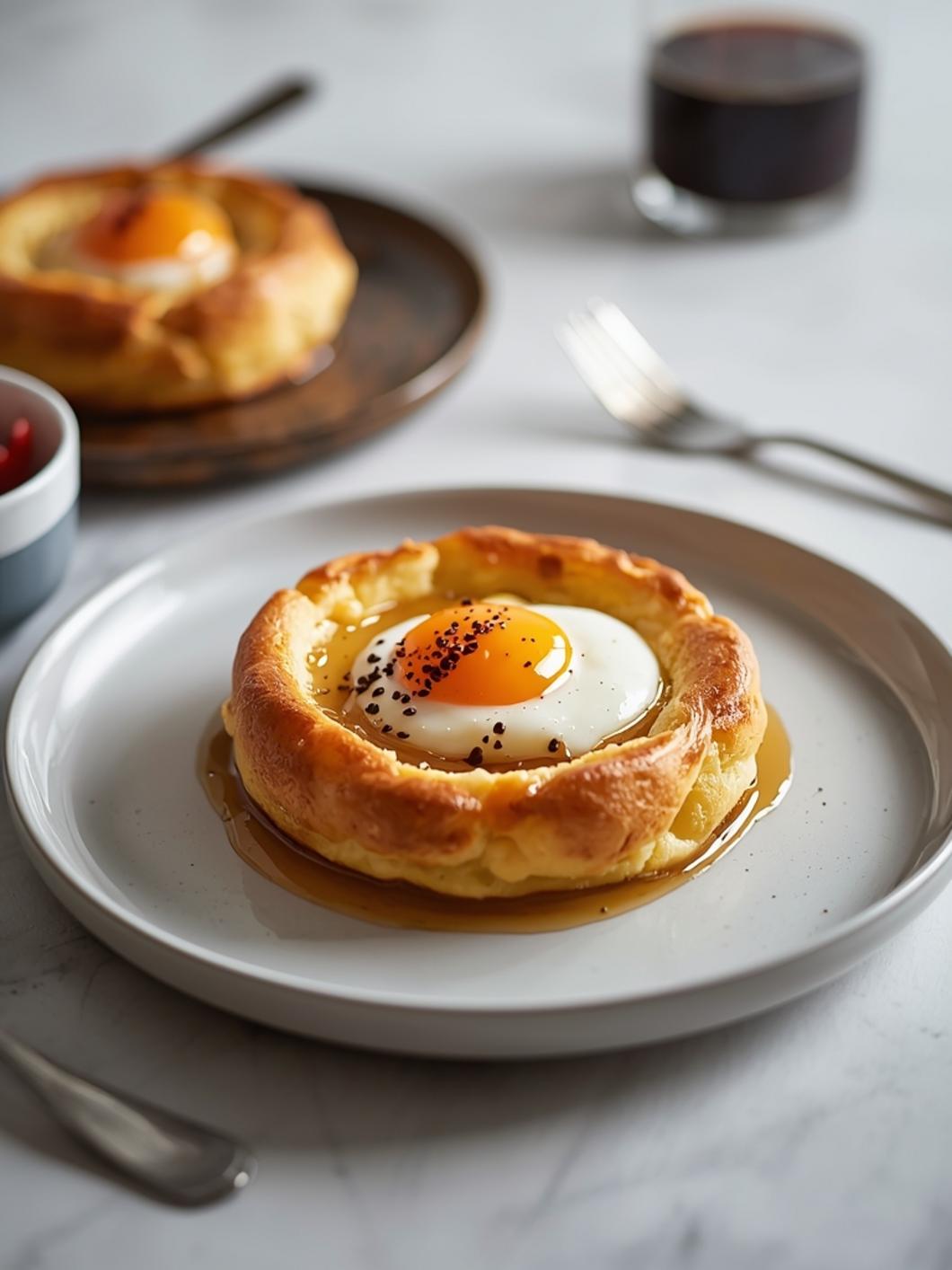
If you’re looking for something a bit different, consider a savory Dutch baby. Before pouring the batter, you could sauté some thinly sliced mushrooms, spinach, or caramelized onions in the skillet. After baking, top with a sprinkle of grated cheese (like Gruyere or cheddar), fresh herbs, or even a fried egg. This makes for a wonderful light lunch or dinner.
For kid-friendly options, let them choose their own toppings! A “Dutch Baby Bar” with small bowls of fruit, sprinkles, mini chocolate chips, and different syrups can be a fun activity. You can also sneak in some finely grated zucchini or carrots into the batter for extra veggies, though this might slightly affect the puff.
For a party or buffet, bake several smaller Dutch babies in individual oven-safe ramekins or smaller cast iron pans. This allows guests to have their own personalized pancake. You can also prepare a variety of toppings in advance and set them out buffet-style.
Common Slip-Ups And How To Avoid Them
Even though this Sourdough Dutch Baby is quite forgiving, there are a few common pitfalls that can prevent it from reaching its full potential. Knowing these can help you achieve a perfect result every time.
One of the most frequent mistakes is not preheating the skillet sufficiently. A cold or lukewarm pan will result in a flat, dense pancake rather than a dramatically puffed one. Make sure your oven is fully preheated to 425°F and the skillet has been in there for at least 10-15 minutes, until it’s very hot and possibly smoking slightly when you add the butter.
Opening the oven door too early is another common error. The sudden drop in temperature can cause the delicate structure of the rising pancake to collapse. Resist the urge to peek during the first 15-20 minutes of baking. Trust the process!
Overmixing the batter can lead to a tough Dutch baby. Whisk just until the ingredients are combined and no dry flour remains. A few small lumps are better than overworking the gluten in the flour.
Finally, not serving it immediately can diminish the experience. Dutch babies deflate quickly once removed from the oven, so have your toppings ready and serve it while it’s still warm and impressively puffed. While it still tastes great deflated, the visual appeal is best right out of the oven.
How To Store It And Make It Ahead Without Ruining Texture
While a Dutch Baby Pancake is truly best enjoyed fresh out of the oven, there are ways to handle leftovers or prepare components ahead of time.
Storing Leftovers: If you have any leftover Dutch baby, allow it to cool completely to room temperature. You can then cover it tightly with plastic wrap or aluminum foil, or transfer slices to an airtight container. Store in the refrigerator for up to 2-3 days. The texture will be softer and less crisp than when fresh, and
FAQs
- Can I make these ahead? Yes—prep ahead, refrigerate, then serve when ready.
- How long do leftovers last? Store covered in the fridge for 3–4 days for best texture.
- Can I adjust sweetness? Yes—add more or less sweetener to taste.
- Can I change the fruit? Yes—swap strawberries for blueberries, raspberries, or sliced banana.