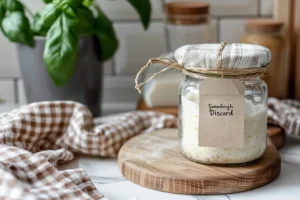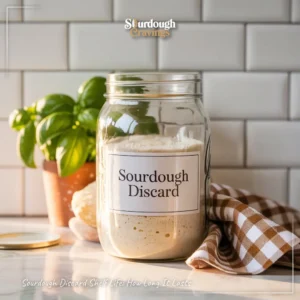

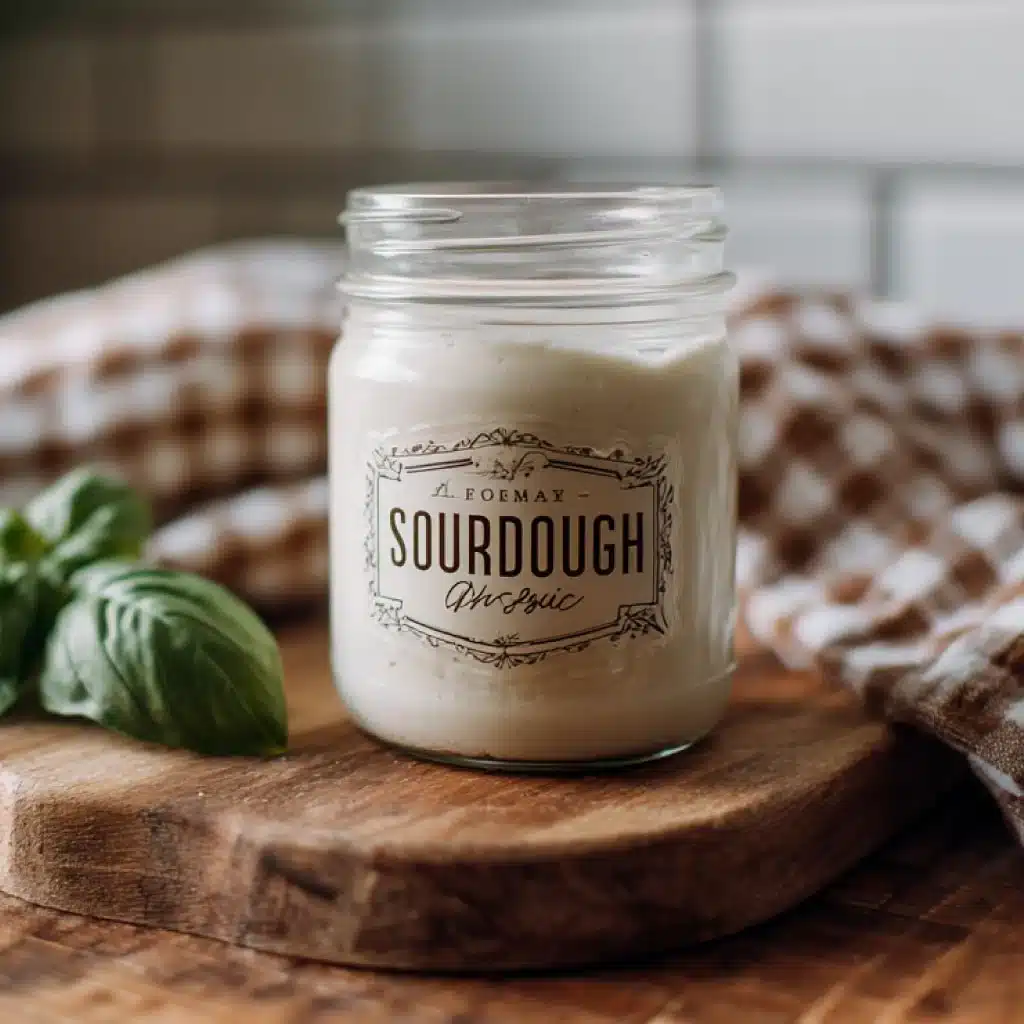
I still remember the first time I asked myself this question. I had just started keeping a sourdough starter, and after a week of daily feedings, I had a jar full of discard sitting on the counter. Out of curiosity, I dipped a finger in and gave it a taste. It was tangy, a little sour, not terrible—but something about it felt off. And that’s when I started wondering: can you actually eat raw sourdough discard?
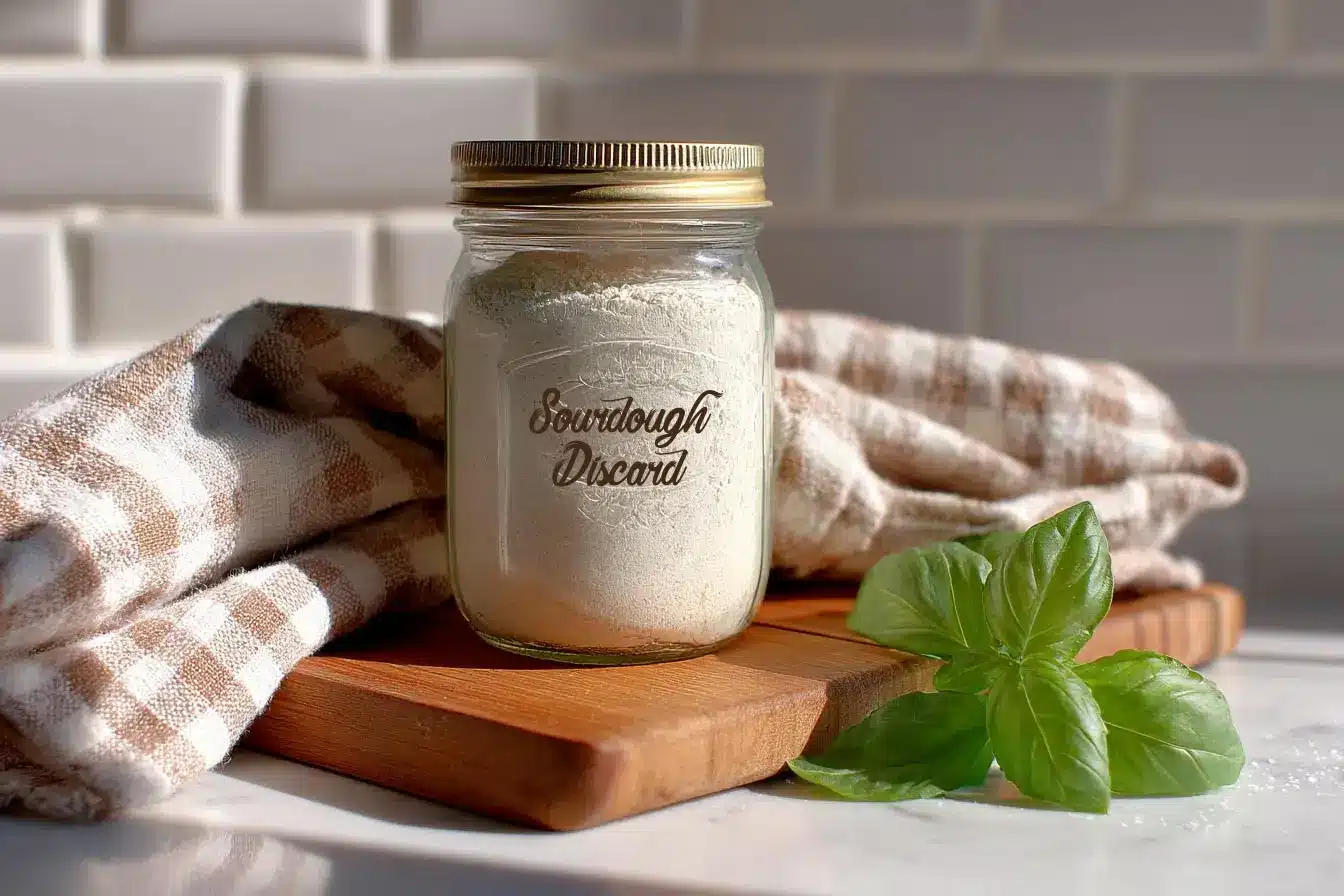
The short answer? No, you shouldn’t.
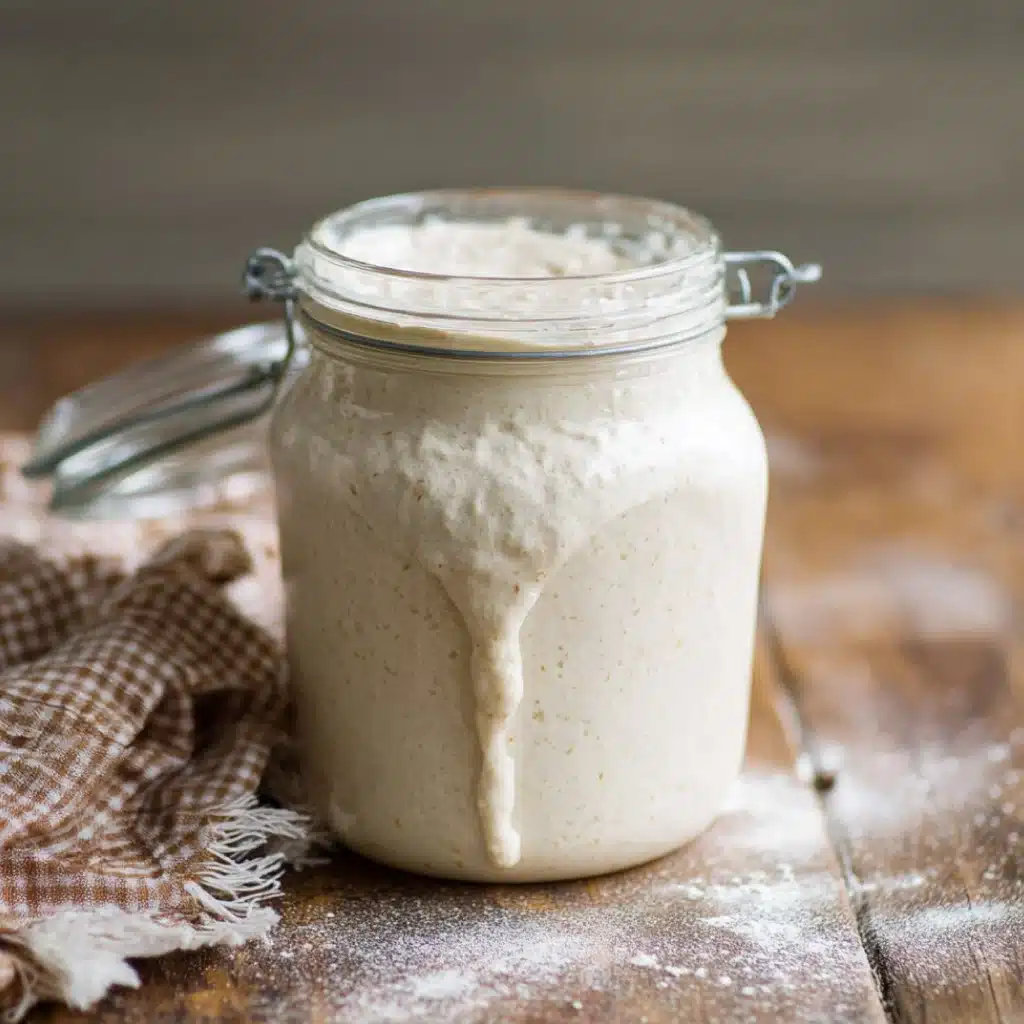
Even though sourdough discard looks harmless—it’s just flour and water, after all—it’s not meant to be eaten raw. That jar is full of living microbes: wild yeast and lactic acid bacteria that are still doing their work. Those organisms are amazing when baked, but before heat transforms them, they can be tough on your stomach and potentially unsafe to eat.
Think of it like raw cookie dough. It might not make you sick every time, but there’s a good reason we bake it. The same logic applies here. Once you bake, cook, or fry that discard, you destroy any unwanted bacteria and make it safe to enjoy.
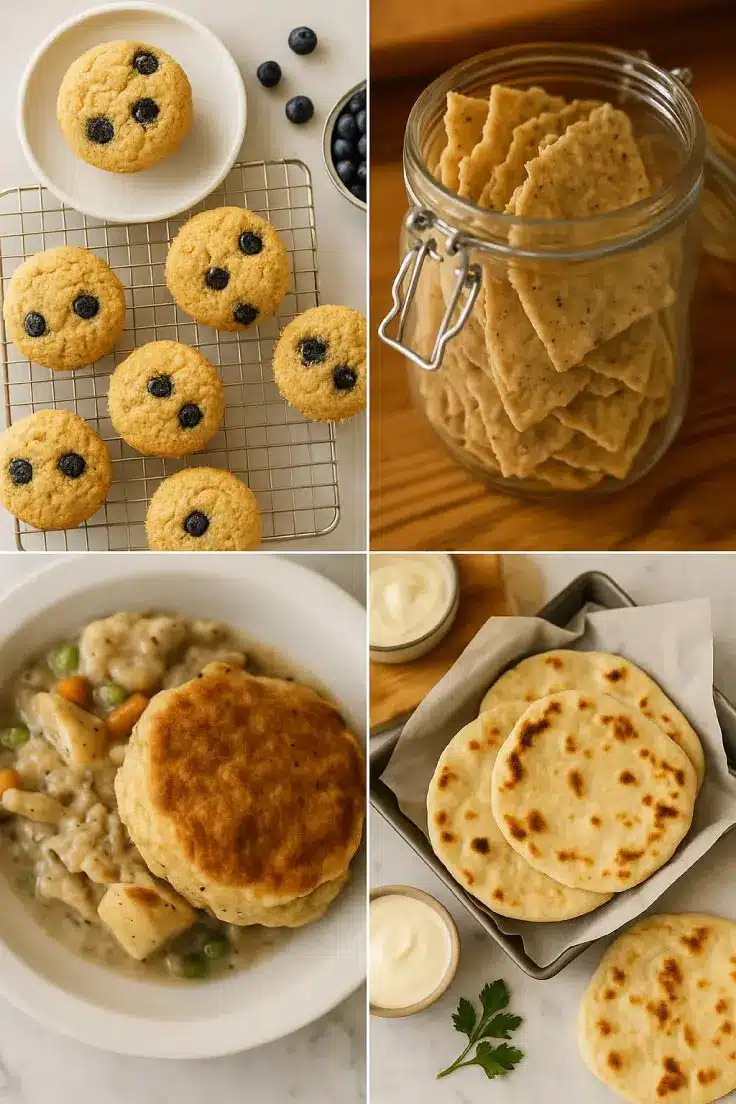
So, while it might be tempting to taste or use raw discard in a no-bake recipe, it’s better to save it for things that hit the oven or skillet—like pancakes, crackers, muffins, or even pizza dough. That’s where sourdough’s flavor really shines.
If you’re just starting to learn how discard fits into your baking routine, take a look at Sourdough Discard 101 – The Ultimate No-Waste Guide. It explains how discard behaves, how to store it, and how to make sure it never goes to waste again.
Table of Contents
Why You Shouldn’t Eat Raw Sourdough Discard (The Science Behind It)
Let’s get something straight right away — sourdough is one of the most beautiful food traditions out there, but it’s also alive. Inside that jar of sourdough discard is a living culture of wild yeast and bacteria doing what they do best: fermenting. That’s what makes sourdough bread rise, smell amazing, and taste like it came straight from an artisan bakery. But before that mixture is baked, it’s still raw, unfinished, and not something you should eat.
When people ask me if it’s safe to eat raw sourdough discard, I always tell them: it’s not about panic—it’s about understanding what’s going on inside that jar.
1. Raw Flour Isn’t Safe to Eat
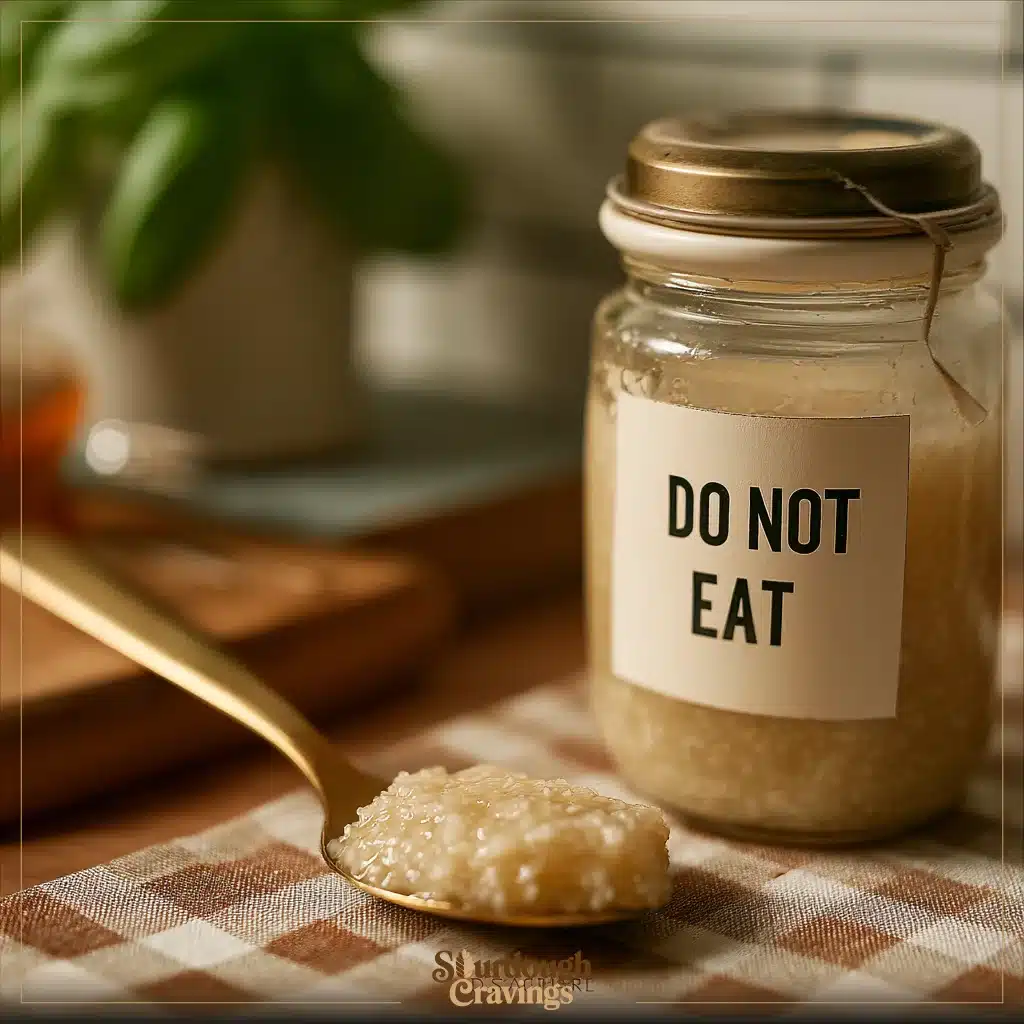
Flour might look clean and innocent, but it’s a raw agricultural product. That means it can carry harmful bacteria like E. coli or Salmonella, which are destroyed during baking but remain active in raw dough or discard. When you mix flour with water and let it sit at room temperature for hours or days, it becomes the perfect home for microbes—good and bad ones alike.
This is why food safety experts and bakers alike always warn against eating raw dough. The same rule applies to sourdough discard.
For more about this, King Arthur Baking explains it perfectly in their guide on Raw Flour Safety and Handling.
If you’d like to understand how flour transforms safely during baking, head over to Sourdough Discard 101 – The Ultimate No-Waste Guide — it breaks down what happens from starter to oven in plain, approachable terms.
2. It’s All About Balance — and Raw Discard Hasn’t Found It Yet
When your discard sits unfed, its yeast and bacteria start competing for food. Without fresh flour, they create excess alcohols and acids that make the mixture more sour, and sometimes a bit unstable.
Those natural acids—lactic and acetic—are what give baked sourdough its depth of flavor. But before baking, they’re too concentrated, and that acidity can irritate your stomach or digestive tract if eaten raw.
It’s not that your discard turns “toxic” or “spoiled” overnight—it’s just out of balance. When you feed and bake it, everything stabilizes. The heat from cooking is what neutralizes those strong acids and transforms your discard into something digestible.
Internal link: For a closer look at how this balance works, visit [Sourdough Discard Hydration: How Thick Should It Be?] (Coming Soon) — it explains how feeding ratios and texture affect fermentation and flavor.
3. Heat Makes It Safe
The real magic of sourdough happens in the oven. Baking kills any harmful bacteria, balances out acidity, and unlocks nutrients in the flour that our bodies can actually absorb. Once it’s baked, sourdough becomes one of the most natural, digestible breads you can eat.
That’s why recipes that use discard—like pancakes, crackers, or biscuits—are perfectly safe. They’re cooked, which means the bacteria and raw flour have been rendered harmless.
If you’re wondering which recipes make the most of your discard, check out the [Sourdough Discard Recipe Collection] (Coming Soon). Every recipe there uses heat to make discard not just safe, but absolutely delicious.
External link: For more about the fermentation and safety process, see Cultures for Health – Safe Sourdough Practices.
4. A Small Taste Won’t Kill You, But It’s Not Worth It
A lot of bakers have admitted to “just tasting it once,” usually out of curiosity. I get it—I’ve done it too. One tiny taste won’t likely make you sick, but it’s not worth the risk or the unpleasant flavor.
Raw discard tastes harsh, overly sour, and a little alcoholic. It’s not meant to be eaten that way. The texture alone will tell you it’s unfinished.
If you accidentally get a bit on your fingers while feeding your starter, don’t panic. Just wash your hands and move on. Your body can handle small exposures, but it’s not something to make a habit of.
For anyone unsure about identifying what’s safe and what’s not, I recommend bookmarking [Troubleshooting Discard: Mold & Hooch Guide] (Coming Soon). It includes visual references and easy tips for knowing when discard has gone too far.
5. Science Confirms It
If you ever need a reminder that your instincts are right about this, science has your back.
Researchers and bakers alike agree that while fermentation starts the process of breaking down flour, it’s heat that makes it safe. That’s when starches gelatinize, acids mellow out, and any harmful bacteria are destroyed.
Maurizio Leo from The Perfect Loaf explains it beautifully in his article on Sourdough Starter Health and Safety: sourdough’s microbes are your best friends in baking—but only after baking do they stop being alive and start being delicious.
So no, it’s not safe to eat raw sourdough discard, but that doesn’t mean it’s useless. In fact, it’s one of the most versatile ingredients in your kitchen once it’s cooked. Whether you’re flipping pancakes, making crackers, or building a levain for your next loaf, that same discard becomes both safe and extraordinary with just a little heat.
If you’re just starting out, head back to your foundation with the Sourdough Discard 101 – The Ultimate No-Waste Guide. It’s the heart of this whole series and will give you a clear understanding of how discard fits into every stage of sourdough baking.
What Happens If You Accidentally Eat Raw Sourdough Discard?
We’ve all had that moment in the kitchen — you’re feeding your sourdough starter, there’s a bit of discard on your hand, and before you even think about it, you lick your finger. The second it happens, you wonder, “Was that a bad idea?”
If you’ve accidentally eaten a little bit of raw sourdough discard, take a breath — you’re most likely fine. It happens all the time, even to experienced bakers. The key is understanding why it’s not meant to be eaten and what to do next.
A Small Taste Usually Isn’t a Problem
If it was just a tiny taste — a dab on your finger or spoon — you don’t need to worry. Your stomach acid is incredibly strong and will usually neutralize any small amount of wild yeast or bacteria in raw discard.
The main concern with eating raw sourdough discard comes from the fact that it contains raw flour, which can occasionally carry bacteria like E. coli or Salmonella. These pathogens are destroyed when you bake or cook the discard, but they can sometimes cause mild stomach upset if eaten raw.
In most cases, though, nothing happens beyond maybe a sour taste in your mouth. If your discard looked and smelled normal — slightly tangy, bready, or a bit like yogurt — you can relax.
If you’d like to learn more about safe handling of raw dough, I recommend reading King Arthur Baking’s guide on Raw Flour Safety for a clear explanation of why flour should always be cooked before eating.
Eating More Than a Taste Could Cause Some Discomfort
If, for whatever reason, you ended up swallowing more than a small amount — say, a spoonful or two — you might notice mild nausea, bloating, or an unsettled stomach. That’s because raw discard contains natural acids and alcohols from fermentation that aren’t fully balanced until the mixture is baked or cooked.
These compounds can irritate your digestive system, especially if the discard is old or overly sour. It’s uncomfortable, but rarely dangerous. Drink water, rest, and let your body do its job — in a few hours, you’ll likely feel completely fine.
For general guidance on raw dough risks, the CDC’s Raw Dough Food Safety Advisory has clear, science-based information on why heat is essential to make dough (and discard) safe to eat.
When You Should Be Cautious
There’s a difference between “fresh” discard and discard that’s past its prime. If your jar smells rotten, cheesy, or like ammonia — or if you see pink streaks, orange patches, or fuzzy mold — do not taste it. Spoiled discard can contain harmful bacteria or mold toxins that are unsafe even in small amounts.
If you suspect your discard has gone bad, throw it out immediately and wash the jar with hot, soapy water before starting fresh.
If you’re not sure what’s normal or not, you can use [Troubleshooting Discard: Mold & Hooch Guide] (Coming Soon). It includes photos, smell descriptions, and easy “yes or no” signs for determining safety.
What If Your Pet Eats It?
Humans can usually handle a small accident, but pets are a different story. Raw discard can continue fermenting in a warm stomach, creating gas and alcohol — both of which are dangerous for animals.
If your dog or cat gets into your discard, call your vet right away. In the meantime, check [Sourdough Discard Safety Tips for Pets] (Coming Soon) for steps you can take at home before getting professional help.
You Don’t Have to Worry — Just Learn and Move On
If you’ve eaten a bit of raw sourdough discard, don’t let it ruin your confidence. It happens to nearly every baker at least once. What matters is knowing what to do next:
- Don’t make a habit of tasting raw discard.
- Always bake, cook, or fry it before eating.
- When in doubt, trust your nose — if it smells off, toss it.
You can easily avoid this kind of mishap by learning how to store and maintain your discard safely. Start with [How to Store Sourdough Discard] (Coming Soon), where I walk you through simple ways to keep it fresh and organized.
And if you want to understand the bigger picture of what discard really is and how it behaves, return to the main guide:
Sourdough Discard 101 – The Ultimate No-Waste Guide.
It’s the foundation of everything in this series — the “why” behind your discard’s smells, colors, and transformations. Once you understand that, the rest of sourdough becomes second nature.
Safe and Delicious Ways to Use Your Sourdough Discard
Now that you know why it’s not a good idea to eat raw sourdough discard, let’s talk about what you can do with it — because tossing it isn’t your only option. Once cooked or baked, discard becomes one of the most flavorful, versatile ingredients in your kitchen.
I’ve said it before, but it’s worth repeating: your discard is never waste. It’s the quiet hero behind everything from crispy crackers to rich chocolate cake. Heat is what turns that sharp, raw tang into something beautifully complex and safe to enjoy.
Here are a few of my favorite ways to use it.
1. Make Sourdough Pancakes or Waffles
If there’s a single reason to keep a jar of discard in your fridge, this is it. Sourdough pancakes are light, flavorful, and just a little tangy — the perfect weekend treat.
All you need is your discard, a touch of baking soda, and a few pantry staples. The natural acidity in the discard reacts with the soda to create extra lift, giving you the fluffiest pancakes imaginable.
You’ll find this and similar recipes soon in the [Sourdough Discard Recipe Collection] (Coming Soon), which features my go-to breakfast bakes that make use of revived discard.
2. Bake Sourdough Crackers or Flatbreads
If you’ve never baked crackers with your discard, you’re missing out. The heat from the oven not only makes them safe to eat but also draws out deep, nutty flavors from the flour.
Mix your discard with olive oil, herbs, and a pinch of salt, roll it thin, and bake until crisp. It’s that simple — and addictive.
For more storage-friendly ideas, check out [How to Dehydrate Sourdough Discard] (Coming Soon). Dehydrated discard can be ground into flour and used in future recipes without refrigeration.
3. Use It in Breads, Muffins, or Biscuits
Cooked discard adds a gentle sourness and tender crumb to baked goods.
You can mix it into quick breads, biscuits, muffins, or even pie crust. It won’t act as a leavener, but it adds incredible flavor and moisture.
I love using it in banana bread or biscuits because it balances the sweetness and gives that unmistakable sourdough depth.
If you’re ready to turn your discard into something stronger, learn how in [Using Discard to Build Levain] (Coming Soon). It’s a great way to transform old discard into a lively, bake-ready culture again.
4. Fry or Grill It
Here’s something most people don’t think about — you can cook your discard directly in a skillet.
Pour it into a lightly oiled pan, season it with herbs or garlic, and fry it until golden on both sides. The result is a tangy, chewy flatbread that pairs perfectly with soup or salad.
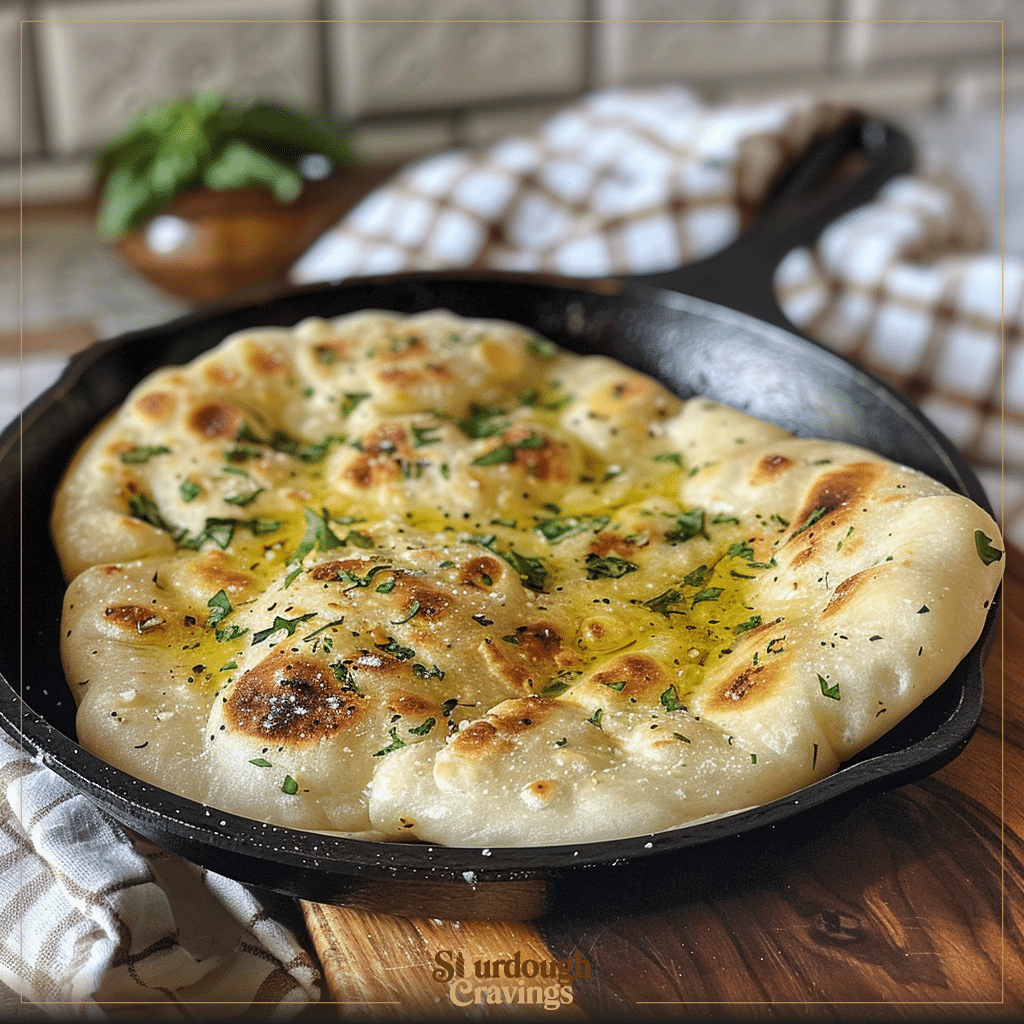
You can even spoon it into a hot waffle iron to create savory waffles or thin it with water to make quick sourdough crepes.
If you’re looking to explore more quick, stovetop options, [Refrigerator vs Freezer: Best Discard Storage] (Coming Soon) includes a section on how temperature affects discard flavor in cooked recipes.
5. Sweet Treats: Cookies, Cakes, and Brownies
Yes, you can bake dessert with sourdough discard. The acidity from the discard balances sweetness beautifully, especially in chocolate-based recipes.
My favorite? Sourdough discard brownies. They’re fudgy, rich, and just slightly tangy — the kind of dessert that makes people ask what your secret ingredient is.
Heat turns your discard’s raw bacteria into the same natural depth of flavor that gives professional bakeries their edge.
If you’re curious about how discard impacts nutrition once baked, you’ll find a detailed breakdown in [Sourdough Discard Nutrition Facts] (Coming Soon).
6. Compost or Garden With It
If you ever have more discard than you can bake with, don’t feel bad about using it in your garden. Sourdough discard is full of organic material that breaks down quickly and feeds your compost pile with nitrogen-rich goodness.
You can even dilute it with water and use it as a natural fertilizer — something I cover step-by-step in [How to Make Discard Liquid Gold Fertilizer] (Coming Soon).
It’s a beautiful full-circle way to give your starter’s leftovers back to the earth.
7. When in Doubt, Freeze It for Later
If you’re not ready to bake right away, freezing is your best option. Sourdough discard freezes beautifully and can be revived later for recipes.
Spoon it into small containers or bags, label them with the date, and thaw as needed. Once thawed, you can bake with it immediately or refresh it for future use.
For full freezing instructions, visit [How to Freeze Sourdough Discard] (Coming Soon). It covers thawing times, texture changes, and how to prevent freezer burn.
Safe Use Summary
Here’s a quick summary of what we’ve learned so far:
- Never eat raw sourdough discard. Always bake, cook, or dehydrate it.
- Heat makes it safe. Whether in the oven or skillet, it transforms discard into a flavorful ingredient.
- Use your senses. If it smells bad, throw it away — no second guesses.
- Be creative. Once cooked, your discard can go sweet, savory, or even into the garden.
If you’re just starting your discard journey, or if you’ve been unsure about what’s safe, you’ll find everything tied together in Sourdough Discard 101 – The Ultimate No-Waste Guide — the central guide to caring for, storing, and using discard with confidence.
Frequently Asked Questions About Eating Sourdough Discard
Even after years of baking, I still get questions about sourdough discard almost every week. Most home bakers aren’t sure where the line is between “safe” and “risky,” and that’s totally understandable. So let’s clear up the most common ones — with real, practical answers you can trust.
Can you eat raw sourdough discard?
No, you shouldn’t eat raw sourdough discard. While it might look harmless, it’s still a raw mixture of flour and water that can contain bacteria like E. coli or Salmonella. Those bacteria are killed during baking or cooking, but they’re still active in raw form.
Always cook or bake your discard before eating. Once heat is involved, it becomes completely safe — and delicious.
Learn more about how sourdough becomes safe after baking in Sourdough Discard 101 – The Ultimate No-Waste Guide.
What happens if I accidentally taste it?
A small taste of raw discard usually won’t hurt you. You might notice a strong sour flavor, but that’s about it. Your stomach acid will take care of most microbes quickly.
If you ate more than a spoonful and feel bloated or queasy, drink water and rest. In almost every case, symptoms pass within a few hours.
If you suspect your discard was spoiled (moldy or rotten-smelling), it’s best to check in with your doctor.
For food safety background, see CDC’s Raw Dough Food Safety Advice.
Is sourdough discard safe to eat after baking?
Yes, absolutely. Once baked or cooked, sourdough discard is completely safe to eat. The heat destroys harmful bacteria and neutralizes fermentation acids, leaving you with great flavor and texture.
That’s why recipes like pancakes, crackers, or muffins made with discard are so popular — they make use of every bit without waste.
Explore cooked recipes in the Sourdough Discard Recipe Collection.
Can I taste my discard to see if it’s still good?
I know it’s tempting, but tasting raw discard to “check” freshness isn’t a good idea. Instead, use your senses.
If your discard smells pleasantly sour, a little tangy, or like bread dough, it’s fine. If it smells putrid, cheesy, or like ammonia, it’s gone bad and should be tossed immediately.
You can find a full guide to identifying spoilage signs in [Troubleshooting Discard: Mold & Hooch Guide] (Coming Soon).
Can sourdough discard make you sick?
Raw discard can make you sick if it contains bacteria or if it’s been sitting too long without refrigeration. Eating it raw is risky, but once cooked, it’s completely safe.
The key is to keep your jar clean, store it properly, and use it in recipes that involve heat.
If you’re learning how to store it safely, start with [How to Store Sourdough Discard] (Coming Soon).
How long is sourdough discard safe to keep before baking with it?
If kept in the refrigerator, discard will usually last about 7–10 days before it needs to be refreshed or used. If you plan to store it longer, freeze it. Freezing halts fermentation and keeps it stable for months.
Detailed freezing and thawing tips can be found in [How to Freeze Sourdough Discard] (Coming Soon).
Can kids or pregnant women eat sourdough discard?
They can safely enjoy baked recipes that contain sourdough discard — as long as it’s fully cooked. However, raw discard should always be avoided, especially during pregnancy or in children, since their immune systems are more sensitive.
Stick with baked or fried recipes where the discard reaches a safe internal temperature.
For a deeper dive into discard nutrition and digestibility, see [Sourdough Discard Nutrition Facts] (Coming Soon).
What if my pet eats sourdough discard?
This one’s important. Raw sourdough discard can continue fermenting inside a pet’s stomach, producing gas and alcohol. For dogs and cats, that can be dangerous.
If your pet eats discard, call your vet immediately. You can also refer to [Sourdough Discard Safety Tips for Pets] (Coming Soon) for step-by-step advice.
Does cooking sourdough discard remove all bacteria?
Yes. Cooking or baking discard at 350°F (175°C) or higher completely eliminates harmful bacteria and neutralizes raw flour pathogens.
That’s why discard recipes are perfectly safe — heat does all the sanitizing for you.
For verified information on fermentation and safety, check out Cultures for Health – Sourdough Starter Safety.
Can I use sourdough discard in no-bake recipes?
Only if the recipe involves heating the mixture in some way. No-bake desserts or raw energy bites that use discard without cooking are not safe. The raw flour and live bacteria need heat to become safe.
If you want to use discard in no-bake recipes, dehydrate it first. That process kills bacteria and allows you to use it as a flavor boost in other foods.
Learn how in [How to Dehydrate Sourdough Discard] (Coming Soon).
What should I do if I’m ever unsure about my discard?
When in doubt, throw it out. It’s better to lose a few tablespoons of flour than risk your health. A healthy discard should smell clean, yeasty, or mildly sour — never rotten or sharp.
If you’re new to sourdough and still figuring it all out, go back to the foundation:
Sourdough Discard 101 – The Ultimate No-Waste Guide.
It’s the best place to understand how discard behaves, when to feed it, and how to tell good from bad.
Key Takeaways & Final Thoughts
If there’s one thing sourdough has taught me, it’s that good things take time. Your sourdough discard might look like something to toss, but it’s really just unfinished potential.
You shouldn’t eat it raw—not because it’s evil, but because it’s still alive and in motion. It needs heat, time, and transformation. Once it’s baked, that raw tang becomes something rich and complex.
If you’ve ever tasted it out of curiosity, don’t worry—you’re not alone. We’ve all done it. But the real magic of sourdough happens after it’s cooked. That’s when it turns from something sharp and raw into something comforting and alive in a whole new way.
Sourdough has a rhythm—feeding, resting, baking, repeating. It teaches you to slow down, to notice the small details, and to waste less.
So the next time you’re standing by that jar, tempted to taste, remember: it’s not done yet. But once it’s baked, it’s everything you’ve been waiting for.
For more on how to care for and use your discard wisely, start here:
Sourdough Discard 101 – The Ultimate No-Waste Guide.